
Department
Orthopedics
Consult orthopaedic specialists at Santosh Hospital, Fraser Town for fractures, joint pain, arthritis, sports injuries, spine conditions, arthroscopy and joint replacement care.

Speak to our team
080 4084 8888Orthopaedics Hospital in Fraser Town, Bangalore
Bone, joint, muscle or spine problems can affect something as basic as walking, climbing stairs, working, exercising or sleeping comfortably. While some conditions improve with rest and medication, persistent pain, swelling, stiffness, restricted movement or an injury may require evaluation by an orthopaedic specialist.
Santosh Hospital in Fraser Town, Bengaluru provides orthopaedic care for bone, joint, ligament, muscle, sports injury, trauma and spine-related conditions. Patients can consult orthopaedic specialists for evaluation, diagnosis, non-surgical management and surgical treatment when medically required.
Located at 6/1, Promenade Road, behind Coles Park, Pulikeshi Nagar, Fraser Town, Santosh Hospital is a 150-bed multispeciality hospital with 40 years of healthcare service, 100+ doctors and 30+ OPDs.
The hospital is supported by operation theatres, ICU, diagnostics, pharmacy and other multidisciplinary hospital services, allowing patients who require investigations, surgery or postoperative care to access multiple services within the same hospital.
Orthopaedic Conditions We Evaluate and Treat
The Department of Orthopaedics manages conditions affecting the bones, joints, muscles, ligaments, tendons and spine.
Patients commonly visit an orthopaedic specialist for:
Knee pain
Hip pain
Shoulder pain
Back pain
Neck pain
Joint stiffness
Arthritis
Fractures
Sports injuries
Ligament injuries
Meniscus injuries
Tendon injuries
Joint swelling
Difficulty walking
Reduced joint movement
Recurrent joint pain
Bone injuries
Trauma-related orthopaedic injuries
Age-related joint problems
Spine-related pain and mobility problems
The appropriate treatment depends on the affected area, severity of symptoms, underlying diagnosis, patient's age, activity requirements and overall health.
Orthopaedic Treatments at Santosh Hospital
Orthopaedic care does not automatically mean surgery. Many bone and joint conditions can initially be managed using medication, activity modification, physiotherapy, rehabilitation or other non-surgical approaches.
Surgery may be considered when an injury is severe, the joint is structurally damaged, a fracture requires fixation, conservative treatment has not provided adequate relief or the condition significantly affects mobility and daily life.
Orthopaedic Service
Commonly Used For
Treatment Approach
Fracture Care
Broken bones and traumatic injuries
Immobilisation, reduction, fixation or surgery depending on fracture type
Trauma Care
Injuries caused by falls, accidents or impact
Evaluation, imaging, stabilisation and surgical treatment where necessary
Knee Replacement
Advanced knee joint damage and severe arthritis
Partial or total joint replacement depending on clinical findings
Hip Replacement
Severe hip arthritis or joint damage
Replacement of damaged parts of the hip joint when indicated
Arthroscopy
Selected knee, shoulder and joint conditions
Minimally invasive joint evaluation and surgical treatment
Sports Injury Care
Ligament, tendon, muscle and joint injuries
Conservative treatment, rehabilitation or surgery depending on injury
Spine Care
Back, neck and selected spinal conditions
Medication, rehabilitation or surgical treatment when indicated
Arthritis Management
Osteoarthritis and other joint conditions
Medication, physiotherapy, lifestyle changes and surgery where required
Ligament Injury Treatment
ACL and other ligament injuries
Rehabilitation or reconstruction depending on severity
Joint Pain Management
Persistent knee, hip, shoulder and other joint pain
Diagnosis followed by condition-specific treatment
Fracture Treatment and Orthopaedic Trauma Care
A fracture can occur following a fall, road traffic accident, sports injury or direct impact. Older adults may also develop fractures following relatively minor falls, particularly when bone strength is reduced.
Fracture treatment depends on factors such as:
Which bone is fractured
Whether the fracture is displaced
Whether the fracture affects a joint
Whether the skin is damaged
Patient age
Bone quality
Associated ligament, nerve or blood vessel injuries
Some fractures can be treated using a cast, splint or brace. Others may require reduction and surgical fixation to restore appropriate alignment and stability.
When should a fracture be checked urgently?
Seek prompt medical attention after an injury if there is:
Severe pain
Visible deformity
Significant swelling
Inability to move the affected limb
Inability to stand or bear weight
An open wound near the suspected fracture
Numbness or loss of sensation
Change in colour of the fingers or toes
Early assessment helps determine the extent of injury and appropriate treatment.
Knee Pain and Knee Arthritis Treatment
Knee pain is one of the most common reasons adults seek orthopaedic care. It can result from arthritis, cartilage damage, ligament injuries, meniscus injuries, previous trauma, overuse or age-related joint degeneration.
Patients should consider an orthopaedic evaluation when knee pain:
Continues for several weeks
Causes difficulty climbing stairs
Makes walking painful
Causes recurring swelling
Restricts knee movement
Produces instability or giving-way
Interferes with sleep
Does not improve with basic treatment
Treatment may include medication, physiotherapy, strengthening exercises, activity modification or other interventions depending on the diagnosis.
When severe arthritis has significantly damaged the knee joint and non-surgical treatment no longer provides adequate relief, the orthopaedic specialist may discuss whether knee replacement is appropriate.
Knee Replacement Surgery
Knee replacement surgery involves replacing severely damaged portions of the knee joint with artificial components.
It may be considered for selected patients with advanced joint damage who experience:
Severe knee pain
Pain while walking
Difficulty climbing stairs
Reduced mobility
Persistent stiffness
Pain while resting
Significant difficulty carrying out routine activities
Symptoms that continue despite appropriate conservative treatment
Not every patient with knee arthritis requires joint replacement.
An orthopaedic evaluation, clinical examination and relevant imaging are required before deciding whether surgery is appropriate.
Hip Replacement Surgery
Hip problems can significantly affect walking, sitting, climbing stairs and other daily activities.
Hip replacement may be considered when severe damage to the hip joint results in persistent pain and loss of mobility despite appropriate non-surgical management.
Conditions that can lead to significant hip joint damage include advanced arthritis and certain injuries.
The decision to undergo hip replacement should be based on symptoms, imaging findings, general health, mobility requirements and assessment by the treating orthopaedic surgeon.
Arthroscopy Surgery
Arthroscopy is a minimally invasive technique used for selected joint conditions.
A small camera called an arthroscope allows the surgeon to examine structures inside the joint through small incisions. Depending on the diagnosis, instruments may also be introduced through additional small openings to treat the identified problem.
Arthroscopy may be considered for selected:
Knee injuries
Meniscus injuries
Ligament problems
Shoulder conditions
Cartilage injuries
Sports-related joint injuries
Whether arthroscopy is appropriate depends on the exact diagnosis. Not every case of knee or shoulder pain requires arthroscopic surgery.
ACL and Ligament Injury Treatment
The anterior cruciate ligament, commonly called the ACL, is one of the major stabilising ligaments of the knee.
ACL injuries are frequently associated with sports, sudden twisting movements, awkward landing or traumatic knee injuries.
Possible symptoms include:
Sudden knee pain
Swelling
A popping sensation at the time of injury
Difficulty continuing activity
Knee instability
Repeated feeling that the knee is giving way
Some ACL injuries can be managed with rehabilitation, particularly depending on the person's age, activity expectations and level of instability.
ACL reconstruction may be considered when significant instability persists or when the patient's activity requirements make restoration of knee stability important.
Sports Injury Treatment
Sports injuries are not limited to professional athletes. They can occur during running, gym workouts, football, badminton, cricket, cycling or recreational activities.
Common orthopaedic sports injuries include:
ACL injuries
Meniscus injuries
Ankle sprains
Muscle strains
Tendon injuries
Shoulder injuries
Knee injuries
Joint dislocations
Stress-related injuries
Sports-related fractures
The objective is to correctly identify the injured structure and create a treatment plan that supports safe recovery and return to activity.
Depending on the injury, treatment may involve rest, bracing, medication, rehabilitation, physiotherapy or surgical management.
Spine and Back Pain Care
Back pain can result from muscle strain, posture-related problems, disc conditions, age-related degeneration or other spinal conditions.
Most episodes of uncomplicated back pain do not require surgery. However, persistent pain or pain accompanied by neurological symptoms may require specialist assessment.
Patients should seek evaluation if back pain is associated with:
Pain radiating into the leg
Persistent numbness or tingling
Weakness in a leg
Difficulty walking
Pain following significant trauma
Symptoms that continue despite treatment
Certain neurological symptoms associated with back pain can require urgent medical evaluation.
Treatment may begin with medicines, activity modification and rehabilitation. Surgical management is considered only when clinically indicated based on the underlying spinal condition and symptoms.
Shoulder Pain and Shoulder Injury Treatment
Shoulder pain can develop because of trauma, repetitive activity, tendon problems, instability or other joint conditions.
Patients may experience:
Pain while lifting the arm
Difficulty reaching overhead
Restricted shoulder movement
Weakness
Pain while sleeping on the affected side
Recurrent instability
Treatment is selected after identifying the actual cause rather than treating shoulder pain as a single condition.
Depending on the diagnosis, treatment may include medication, rehabilitation, activity modification or surgical management.
Arthritis and Joint Pain Management
Arthritis refers to conditions that affect one or more joints and can lead to pain, swelling and stiffness.
Osteoarthritis is particularly common in weight-bearing joints such as the knees and hips.
Symptoms can include:
Pain during movement
Morning or resting stiffness
Difficulty walking
Reduced joint movement
Swelling
Difficulty climbing stairs
Reduced ability to perform normal activities
Early-stage arthritis does not automatically require surgery.
Treatment may include weight management where appropriate, medicines, physiotherapy, strengthening exercises and changes in activity.
Joint replacement may be considered for selected patients with advanced joint damage and substantial limitation of daily activities.
When Should You Consult an Orthopaedic Doctor?
An occasional mild muscle or joint ache may settle with rest. Persistent or worsening symptoms should not simply be ignored.
Consider consulting an orthopaedic specialist if you experience:
Bone or joint pain lasting more than a few days
Recurrent knee pain
Persistent back or neck pain
Swelling around a joint
Restricted movement
Difficulty walking
Pain while climbing stairs
Joint instability
Sports-related injury
Suspected fracture
Pain following an accident or fall
Joint deformity
Persistent pain despite medication or physiotherapy
Early assessment can help identify whether the problem involves a bone, joint, ligament, tendon, muscle or spine structure.
How Are Orthopaedic Conditions Diagnosed?
An orthopaedic diagnosis usually starts with a detailed history and physical examination.
The doctor may assess:
Location of pain
Duration of symptoms
Previous injuries
Swelling
Range of movement
Joint stability
Muscle strength
Walking pattern
Neurological symptoms
Effect on daily activities
Depending on the condition, diagnostic investigations may be advised.
These can include imaging and laboratory investigations where clinically required.
The purpose of testing is not simply to confirm that pain exists. It is to identify the underlying structural or medical cause so treatment can be appropriately planned.
Surgical and Non-Surgical Orthopaedic Care
Treatment is determined according to the diagnosis rather than choosing surgery as the first option.
Non-Surgical Orthopaedic Treatment May Include
Medicines
Activity modification
Physiotherapy
Strengthening exercises
Rehabilitation
Bracing or immobilisation
Lifestyle and mobility guidance
Follow-up monitoring
Surgical Treatment May Include
Depending on the condition and clinical indication:
Fracture fixation
Trauma surgery
Arthroscopic surgery
Ligament reconstruction
Knee replacement
Hip replacement
Selected spine procedures
Other condition-specific orthopaedic procedures
Your orthopaedic surgeon will discuss the expected benefits, limitations, risks and recovery considerations before recommending surgery.
Orthopaedic Care Supported by a Multispeciality Hospital
Orthopaedic surgery can involve more than the operating surgeon alone, especially for older patients or people with diabetes, hypertension, heart disease or other medical conditions.
Santosh Hospital's multispeciality setup allows orthopaedic patients to access supporting services within the hospital when clinically required.
Hospital infrastructure includes:
150 inpatient beds
Operation theatres
ICU
Diagnostics
Pharmacy
Multiple speciality OPDs
100+ doctors across the hospital
This can be particularly relevant for patients undergoing fracture surgery, joint replacement or other procedures that require preoperative assessment, surgery, postoperative observation and coordinated medical care.
Orthopaedic Care for Older Adults
Joint problems and fractures become more common with increasing age.
Older adults may seek orthopaedic consultation for:
Knee arthritis
Hip arthritis
Difficulty walking
Recurrent falls
Fractures
Back pain
Reduced mobility
Joint stiffness
Treatment planning for older patients should also consider overall health, existing medical conditions, medications and mobility requirements.
Being treated within a multispeciality hospital can allow coordination with other physicians when additional medical evaluation is required before or after an orthopaedic procedure.
Emergency Orthopaedic and Trauma Evaluation
Some bone and joint injuries require immediate medical attention rather than waiting for a routine appointment.
Seek urgent hospital evaluation for:
Suspected major fracture
Visible limb deformity
Open fracture
Severe injury following an accident
Inability to stand after a fall
Major joint dislocation
Loss of sensation following an injury
Severe swelling with increasing pain
Injury with uncontrolled bleeding
Prompt medical evaluation is particularly important following significant trauma.
Orthopaedic Hospital in Fraser Town and Central Bangalore
Santosh Hospital is located on Promenade Road, behind Coles Park in Fraser Town, making the hospital accessible to patients living and working across several parts of central Bengaluru.
Patients seeking orthopaedic consultation can visit the hospital from areas including:
Fraser Town
Pulikeshi Nagar
Coles Park
Cox Town
Cooke Town
Richards Town
Benson Town
Shivajinagar
Vasanth Nagar
Bengaluru Cantonment
Ulsoor and surrounding areas
Location references should support patients trying to find nearby orthopaedic services rather than being repeated artificially throughout the page.
Why Choose Santosh Hospital for Orthopaedic Care?
40 Years of Healthcare Service
Santosh Hospital has served patients for 40 years, providing multidisciplinary healthcare from Fraser Town in Bengaluru.
150-Bed Multispeciality Hospital
The hospital provides inpatient and surgical infrastructure for patients who require hospitalisation, procedures or postoperative observation.
100+ Doctors
Patients have access to doctors across multiple medical and surgical specialties within the hospital.
30+ OPDs
Multiple outpatient departments support consultation and coordinated speciality care.
Orthopaedic Surgical Care
The Orthopaedics Department provides care for fractures, trauma, joint conditions, sports injuries, spine conditions and patients requiring selected orthopaedic surgical procedures.
Operation Theatre and ICU Support
Patients undergoing major orthopaedic procedures can access surgical and critical-care infrastructure when clinically required.
Diagnostics Within the Hospital
Diagnostic services support evaluation and treatment planning for orthopaedic and other medical conditions.
Pharmacy Support
Hospital pharmacy services provide additional convenience for patients receiving treatment.
What we treat
Treatments
4 treatments offered by this department.
Fracture Care
Emergency and elective fracture management with advanced fixation techniques.
Joint Replacement
Robotic-assisted total and partial knee/hip replacement surgery.
Spine Surgery
Minimally invasive spine surgery for disc disorders and deformities.
Sports Medicine
Injury diagnosis, rehabilitation, and performance optimisation for athletes.
The team
Orthopedics doctors
4 consultants in this department.
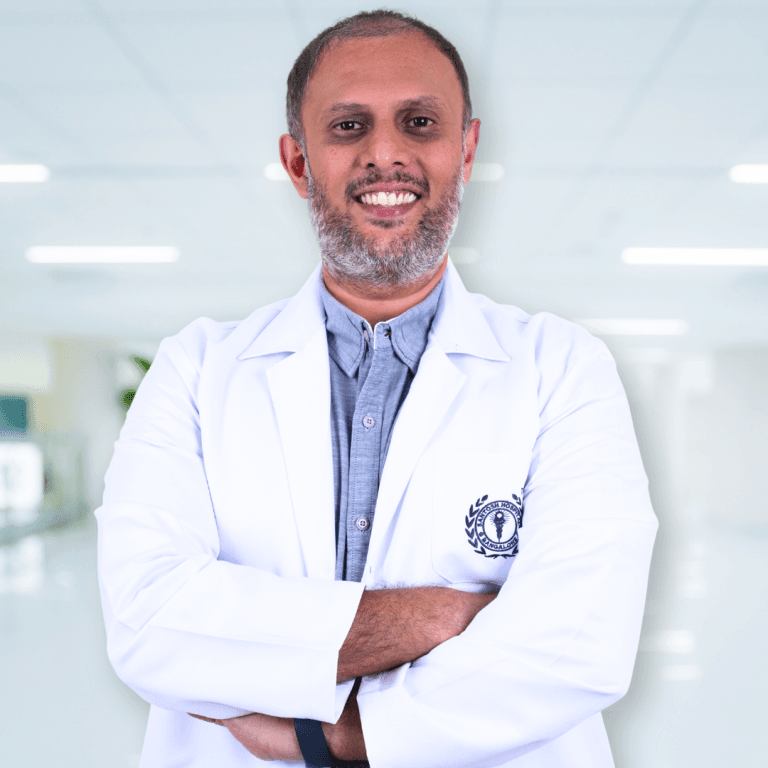
Dr Nihar Patil
Consultant Orthopaedic SurgeonMBBS, MS (Ortho)10 years of experienceView profile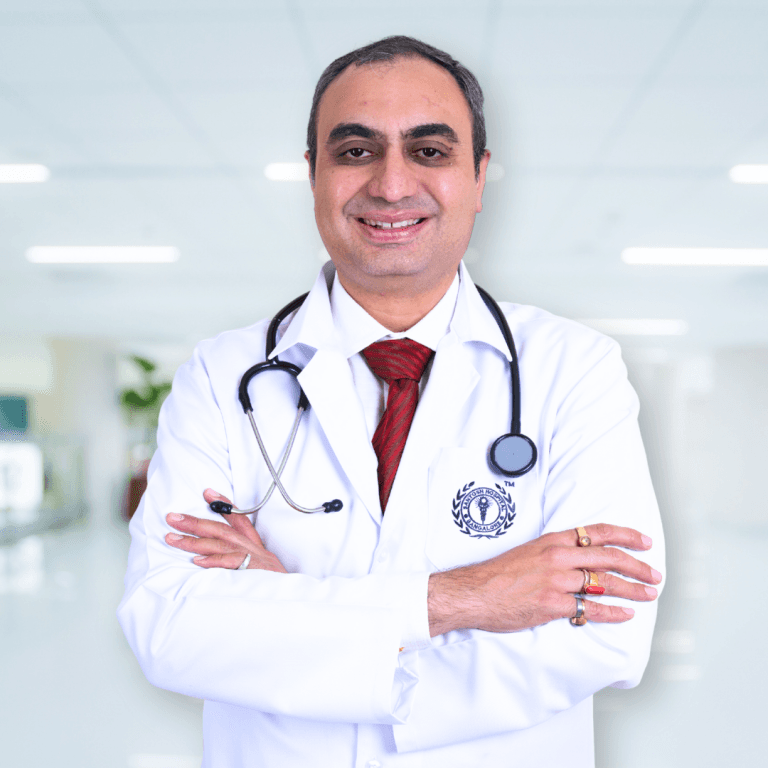
Dr Tarun Bali
Consultant Orthopaedic SurgeonMBBS, MS (Ortho)12 years of experienceView profile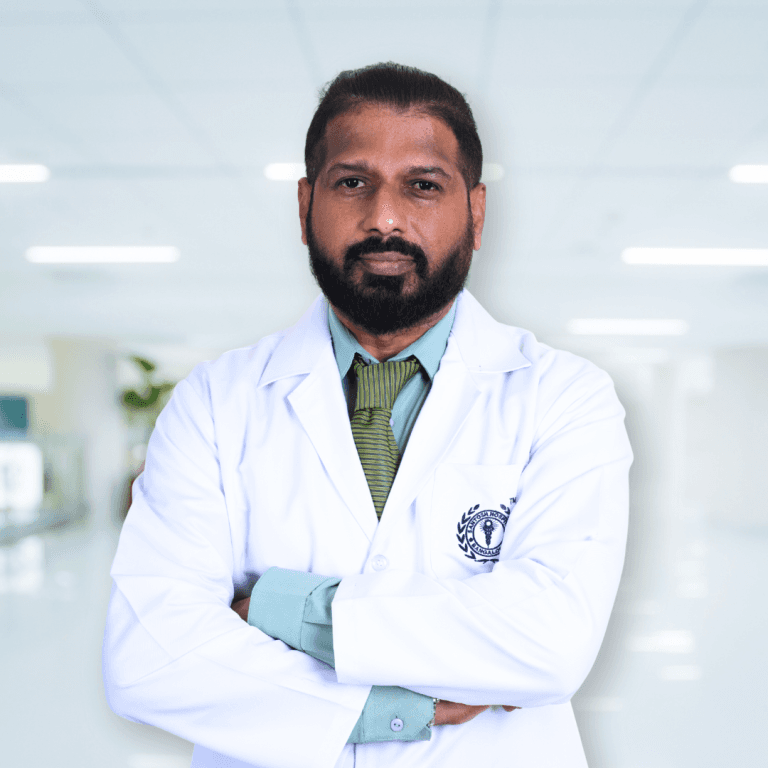
Dr Vedaprakash
Consultant Orthopaedic SurgeonMBBS, MS (Ortho)15 years of experienceView profile
Appointments
Book with Orthopedics
The next screen lets you choose a date, a time, and which of the 4 consultants in this department you would like to see.
Elsewhere in the hospital