
Department
Gynaecology
Consult gynaecologists at Santosh Hospital, Fraser Town for periods, PCOS, fibroids, pregnancy care, ovarian cysts, menopause and women's health concerns.
Speak to our team
080 4084 8888Gynaecology Hospital in Fraser Town, Bangalore
Women's health changes at every stage of life.
A teenage girl may need help with irregular periods. A young woman may have PCOS, severe period pain or fertility concerns. During pregnancy, regular checkups help follow the health of both mother and baby. Later in life, women may need support for menopause, heavy bleeding, fibroids or other health problems.
The Department of Gynaecology at Santosh Hospital, Fraser Town provides care for a wide range of women's health concerns.
Women can consult the department for problems related to:
Periods
PCOS
Heavy bleeding
Period pain
Fibroids
Ovarian cysts
Pelvic pain
Vaginal infections
Pregnancy
Menopause
Urine leakage
Women's preventive health
Other gynaecological concerns
Santosh Hospital is located at 6/1, Promenade Road, behind Coles Park, Pulikeshi Nagar, Fraser Town, Bengaluru.
Santosh Hospital is a 150-bed multispeciality hospital with 40 years of healthcare service, 100+ doctors and 30+ OPDs.
The hospital is also supported by:
NICU
ICU
Operation theatres
Diagnostics
Pharmacy
Inpatient care
Multiple medical and surgical departments
This helps women get consultation, tests, pregnancy care, hospital admission and other specialist support within the same hospital when needed.
What Is Gynaecology?
Gynaecology is the branch of medicine that deals with women's reproductive health.
A gynaecologist treats problems related to:
Periods
Uterus
Ovaries
Fallopian tubes
Cervix
Vagina
Hormonal changes
Menopause
The same specialist may also provide obstetric care, which means care during pregnancy and childbirth.
When Should You See a Gynaecologist?
You do not need to wait for a serious problem before seeing a gynaecologist.
Consider a consultation if you have:
Irregular periods
Missed periods
Very heavy periods
Severe period pain
Bleeding between periods
Bleeding after menopause
Lower abdominal pain
Pelvic pain
Unusual vaginal discharge
Vaginal itching
Pain during sex
Difficulty getting pregnant
Possible PCOS
Fibroids
Ovarian cysts
Menopause symptoms
Pregnancy
Repeated urine leakage
Any unusual change in women's health
Finding the cause early can help guide the right treatment.
Gynaecology Conditions We Evaluate and Treat
The Gynaecology Department may care for women with:
Irregular periods
Painful periods
Heavy menstrual bleeding
Missed periods
PCOS
Fibroids
Ovarian cysts
Endometriosis
Pelvic pain
Vaginal infections
Abnormal vaginal discharge
Menopause symptoms
Abnormal uterine bleeding
Cervical health concerns
Pregnancy-related concerns
High-risk pregnancy concerns
Urinary leakage
Reproductive health problems
The right treatment depends on the woman's age, symptoms, test results and overall health.
Irregular Periods
A normal menstrual cycle is not exactly the same for every woman.
But periods that often come too early, too late or do not come for several months may need evaluation.
Possible causes of irregular periods include:
PCOS
Stress
Weight changes
Thyroid problems
Heavy exercise
Hormone changes
Certain medicines
Pregnancy
Perimenopause
A gynaecologist can help find the cause.
When Are Irregular Periods a Concern?
Consider seeing a gynaecologist if:
Periods suddenly become irregular
You miss periods often
Periods stop for several months
You have very heavy bleeding
You have severe pain
You are trying to become pregnant
Irregular periods come with excess facial hair or acne
You have major weight changes
The doctor may advise blood tests or an ultrasound based on your symptoms.
Missed Periods
A missed period does not always mean pregnancy.
Possible causes include:
Pregnancy
PCOS
Stress
Weight loss
Weight gain
Thyroid problems
Heavy exercise
Hormonal changes
Menopause-related changes
If pregnancy is possible, a pregnancy test is often the first step.
Repeated missed periods should be checked.
Heavy Periods
Some women naturally have heavier periods than others.
But very heavy bleeding may affect daily life and can lead to low haemoglobin or anaemia.
Signs of heavy periods may include:
Needing to change pads very often
Passing large blood clots
Bleeding for many days
Waking at night to change pads
Feeling weak during periods
Feeling dizzy
Breathlessness due to anaemia
Heavy bleeding should not simply be accepted as normal.
What Can Cause Heavy Periods?
Possible causes include:
Fibroids
Hormonal changes
PCOS
Adenomyosis
Thyroid problems
Certain medicines
Uterine conditions
Other medical problems
The correct treatment depends on the cause.
Painful Periods
Mild cramps during periods are common.
But severe pain that stops you from going to school, college, work or doing daily activities may need medical evaluation.
Possible causes include:
Normal menstrual cramps
Endometriosis
Adenomyosis
Fibroids
Ovarian problems
Pelvic infection
Painkillers alone should not be the only long-term plan if the pain keeps returning or becomes worse.
PCOS
PCOS stands for Polycystic Ovary Syndrome.
It is a common hormonal condition.
Women with PCOS may have:
Irregular periods
Missed periods
Acne
Weight gain
Extra facial or body hair
Hair thinning
Difficulty getting pregnant
Not every woman with PCOS has all these symptoms.
Does PCOS Mean You Have Cysts?
The name can be confusing.
A woman can have PCOS even if she does not have large ovarian cysts.
PCOS is mainly linked to hormone changes and problems with ovulation.
An ultrasound alone does not decide whether a woman has PCOS.
The doctor also checks symptoms and other test results.
Can PCOS Be Treated?
PCOS can often be managed well.
Treatment may include:
Healthy food
Regular exercise
Weight management
Medicines
Period control
Acne treatment
Fertility support when needed
Treatment is different for every woman.
A woman who wants regular periods may need a different plan from a woman who is trying to become pregnant.
PCOS and Pregnancy
PCOS can affect ovulation.
This can make pregnancy harder for some women.
But having PCOS does not mean a woman cannot become pregnant.
Many women with PCOS can conceive.
Treatment depends on:
Age
Period pattern
Ovulation
Weight
Other health problems
How long the couple has been trying
Fibroids
Fibroids are non-cancerous growths that develop in or around the uterus.
Many women have small fibroids without symptoms.
Others may have:
Heavy periods
Pelvic pressure
Lower abdominal pain
Frequent urination
Constipation
Abdominal swelling
Fertility concerns
The size of a fibroid alone does not decide treatment.
Its location and symptoms are also important.
Do All Fibroids Need Surgery?
No.
Some fibroids may only need follow-up.
Treatment depends on:
Symptoms
Size
Location
Number of fibroids
Age
Pregnancy plans
Amount of bleeding
Treatment may include medicines or surgery when needed.
The gynaecologist can explain the suitable options.
Ovarian Cysts
An ovarian cyst is a fluid-filled sac that develops on or inside an ovary.
Many ovarian cysts are harmless.
Some go away on their own.
Others may need follow-up or treatment.
Possible symptoms include:
Lower abdominal pain
Pelvic pressure
Bloating
Period changes
Pain during sex
Some women have no symptoms at all.
Does Every Ovarian Cyst Need Surgery?
No.
Many cysts can be watched with follow-up scans.
Surgery may be considered if a cyst:
Is large
Keeps growing
Causes strong pain
Does not go away
Has unusual features on a scan
Causes complications
Age and pregnancy plans are also important.
When Is Ovarian Cyst Pain an Emergency?
Seek urgent medical care if you have:
Sudden severe pelvic pain
Severe pain with vomiting
Fainting
Severe weakness
Heavy bleeding
In some cases, an ovarian cyst can twist or rupture.
This may need urgent care.
Endometriosis
Endometriosis happens when tissue similar to the lining inside the uterus grows outside the uterus.
It can cause:
Severe period pain
Pelvic pain
Pain during sex
Pain during bowel movements around periods
Fertility problems
Symptoms can be different from one woman to another.
Some women have severe pain even with a small amount of disease.
How Is Endometriosis Treated?
Treatment depends on:
Symptoms
Age
Pregnancy plans
Severity
Previous treatment
Options may include:
Pain relief
Hormonal medicines
Other medical treatment
Surgery in selected cases
The gynaecologist can help decide the right approach.
Pelvic Pain
Pelvic pain means pain in the lower part of the abdomen.
It can have many causes.
These may include:
Period pain
Ovarian cyst
Endometriosis
Fibroids
Pelvic infection
Urine infection
Bowel problems
Pregnancy-related problems
A doctor may need to check more than one organ to find the cause.
When Should Pelvic Pain Be Checked?
See a doctor if pelvic pain:
Keeps returning
Is becoming worse
Comes with fever
Comes with unusual discharge
Comes with heavy bleeding
Happens during sex
Is linked to missed periods
Affects daily life
Sudden severe pelvic pain needs faster evaluation.
Abnormal Vaginal Discharge
Some vaginal discharge is normal.
Normal discharge can change during different parts of the menstrual cycle.
But discharge may need medical review if it:
Smells bad
Changes colour
Causes itching
Causes burning
Comes with pelvic pain
Comes with fever
Comes with pain during urination
These symptoms may point to an infection or another condition.
Vaginal Infections
Vaginal infections can cause:
Itching
Burning
Unusual discharge
Bad smell
Pain during sex
Pain during urination
Different infections need different treatments.
Self-treatment without knowing the cause may not solve the problem.
Pregnancy Care
Pregnancy care starts from the early weeks and continues until after delivery.
Regular pregnancy checkups help monitor:
Mother's health
Baby's growth
Blood pressure
Blood sugar
Blood tests
Baby's heartbeat
Pregnancy-related symptoms
The number and type of visits depend on the stage of pregnancy and health of the mother.
What Should You Do After a Positive Pregnancy Test?
After a positive pregnancy test, you can book a consultation with an obstetrician.
The doctor may:
Confirm the pregnancy
Ask about your last period
Review medicines
Check your health history
Discuss folic acid
Plan the first scan at the right time
Discuss warning signs
Do not stop regular medicines without medical advice.
Early Pregnancy Symptoms
Early signs of pregnancy may include:
Missed period
Nausea
Breast tenderness
Tiredness
Frequent urination
Mild cramps
These symptoms are not the same for everyone.
Some women have very few symptoms.
Pregnancy Warning Signs
Seek medical advice quickly if pregnancy is linked with:
Heavy bleeding
Severe abdominal pain
Fainting
Severe vomiting
High fever
Severe headache
Blurred vision
Sudden swelling
Reduced baby movement later in pregnancy
Water leaking before expected labour
Strong contractions before the expected time
Do not ignore severe symptoms during pregnancy.
Antenatal Care
Antenatal care means medical care during pregnancy.
It may include:
Regular doctor visits
Blood pressure checks
Weight checks
Blood tests
Urine tests
Ultrasound scans
Blood sugar screening
Baby growth checks
Nutrition advice
Pregnancy vaccination advice
Birth planning
The exact plan depends on the woman's health and pregnancy.
High-Risk Pregnancy
Some pregnancies need closer care.
A pregnancy may be considered higher risk if the mother has:
High blood pressure
Diabetes
Thyroid disease
Heart disease
Kidney disease
Previous pregnancy problems
Multiple pregnancy
Other medical conditions
Age and pregnancy history may also affect risk.
A high-risk pregnancy does not always mean something will go wrong.
It means the mother and baby may need closer checks.
Diabetes During Pregnancy
Some women develop high blood sugar during pregnancy.
This is called gestational diabetes.
It may not cause clear symptoms.
That is why screening may be advised during pregnancy.
Treatment may include:
Food changes
Physical activity as advised
Blood sugar checks
Medicines or insulin when needed
Good sugar control helps reduce risks for mother and baby.
High Blood Pressure During Pregnancy
High blood pressure can develop before or during pregnancy.
It needs medical review.
Warning signs can include:
Severe headache
Blurred vision
Sudden swelling
Upper abdominal pain
Very high blood pressure
Some women may have no symptoms.
Regular pregnancy checks help detect high BP early.
Normal Delivery and Caesarean Delivery
The safest type of delivery depends on the mother and baby.
A vaginal birth may be possible for many women.
A Caesarean section, or C-section, may be needed in some situations.
The decision depends on:
Mother's health
Baby's position
Baby's heartbeat
Labour progress
Placenta
Previous pregnancy history
Other medical factors
The goal is safe care for both mother and baby.
What Is a C-Section?
A C-section is an operation used to deliver a baby through cuts made in the abdomen and uterus.
It may be planned before labour or needed during labour.
A C-section is a major operation.
The doctor explains the reason, recovery and care needed.
Care After Delivery
Care should continue after the baby is born.
The mother may need support for:
Bleeding
Wound care
Breastfeeding
Pain
Blood pressure
Blood sugar
Nutrition
Sleep
Emotional health
Follow-up
The weeks after childbirth are an important part of maternity care.
NICU Support
Some newborn babies may need special medical care.
A NICU, or Neonatal Intensive Care Unit, provides close care for newborns who need extra support.
This may include babies who are:
Born early
Low in birth weight
Having breathing problems
Unwell after birth
Needing close monitoring
Santosh Hospital has NICU infrastructure to support newborn care when required.
Difficulty Getting Pregnant
Some couples take longer to conceive.
Women may speak to a gynaecologist if pregnancy is not happening after a suitable period of trying.
Possible factors may include:
Ovulation problems
PCOS
Age
Endometriosis
Fallopian tube problems
Fibroids
Male fertility factors
Other health conditions
Both partners may need evaluation.
Difficulty getting pregnant is not always caused by a problem in the woman.
Menopause
Menopause is a natural stage in a woman's life.
It usually happens when periods stop because the ovaries make lower levels of certain hormones.
Women may notice:
Irregular periods
Hot flashes
Night sweats
Sleep problems
Mood changes
Vaginal dryness
Reduced sexual comfort
Symptoms can be mild or strong.
Women do not have to suffer in silence.
When Should You See a Doctor During Menopause?
Consider seeing a gynaecologist if:
Hot flashes affect daily life
Sleep becomes difficult
Vaginal dryness causes pain
Mood changes are strong
Periods become very heavy
You have bleeding after menopause
Bleeding after menopause should always be checked.
Bleeding After Menopause
Bleeding after menopause is not considered a normal period.
Possible causes can range from simple changes in the vaginal or uterine lining to more serious conditions.
Any bleeding after menopause should be evaluated by a gynaecologist.
Urinary Leakage in Women
Urinary leakage can happen during:
Coughing
Sneezing
Laughing
Exercise
Sudden urge to urinate
It may become more common after childbirth or with age.
But women do not have to simply accept it.
Treatment depends on the type and cause.
Women's Preventive Health
Women's healthcare is not only about treating symptoms.
Preventive care can help find some health problems early.
A gynaecologist may discuss:
Cervical health
Breast health
Period changes
Pregnancy planning
Menopause
Bone health
Lifestyle risks
The right checks depend on the woman's age and health history.
Cervical Cancer Screening
Cervical cancer screening helps look for changes in the cervix before serious disease develops.
Screening may involve tests such as:
Pap test
HPV testing
The type and timing of screening depend on age and medical history.
A gynaecologist can guide the right schedule.
HPV and Women's Health
HPV stands for Human Papillomavirus.
Some types of HPV can cause changes in the cervix.
Most HPV infections do not lead to cancer.
Screening can help find important changes early.
Vaccination can also help protect against certain HPV types.
Talk to a doctor about whether HPV vaccination is suitable based on age and medical history.
How Are Gynaecology Problems Diagnosed?
The first step is a detailed discussion.
The doctor may ask about:
Periods
Bleeding
Pain
Pregnancy history
Medicines
Previous operations
Weight changes
Medical conditions
Family history
Sexual and reproductive health when relevant
The doctor may then advise tests based on the problem.
Common Tests in Gynaecology
Tests may include:
Pregnancy test
Blood test
Haemoglobin test
Thyroid test
Hormone tests
Blood sugar test
Urine test
Pelvic ultrasound
Other scans
Cervical screening
Other tests when needed
Not every woman needs every test.
Testing should be based on symptoms and medical need.
Gynaecology Surgery
Some women's health problems can be treated with medicines.
Others may need surgery.
Surgery may be considered for selected cases of:
Fibroids
Ovarian cysts
Abnormal bleeding
Endometriosis
Uterine problems
Other gynaecological conditions
The type of surgery depends on the condition.
The doctor will discuss whether surgery is actually needed.
Laparoscopic Gynaecology Surgery
Laparoscopic surgery uses small cuts and a camera to perform selected operations.
It may be considered for some gynaecological conditions.
Possible benefits in suitable patients can include:
Smaller cuts
Less wound pain
Earlier movement
Shorter hospital stay in selected cases
Laparoscopic surgery is not suitable for every condition.
The surgeon decides after proper evaluation.
Hysterectomy
A hysterectomy is an operation to remove the uterus.
It may be considered for selected women with serious or long-term gynaecological problems.
Possible reasons may include:
Severe fibroid symptoms
Very heavy bleeding that does not improve
Certain uterine conditions
Other problems where removal of the uterus is considered necessary
Hysterectomy is not the first treatment for every fibroid or bleeding problem.
The doctor should discuss other suitable options first.
When Is a Gynaecology Problem an Emergency?
Seek urgent hospital care for:
Very heavy vaginal bleeding
Severe pelvic or lower abdominal pain
Fainting with bleeding
Sudden severe pain with vomiting
Heavy bleeding during pregnancy
Severe abdominal pain during pregnancy
Severe headache with high BP during pregnancy
Severe weakness after delivery
High fever after delivery
Sudden breathing trouble during pregnancy
Loss of consciousness
These symptoms may need quick medical care.
Gynaecology Care Within a Multispeciality Hospital
Women may have health problems that involve more than one department.
For example, a pregnant woman may also have:
Diabetes
High blood pressure
Thyroid disease
Heart disease
Kidney disease
Santosh Hospital has multiple departments under one roof.
The hospital has:
150 beds
NICU
ICU
Operation theatres
Diagnostics
Pharmacy
30+ OPDs
100+ doctors
This can help when a woman needs support from more than one medical team.
Gynaecologist in Fraser Town and Central Bangalore
Santosh Hospital is located behind Coles Park in Fraser Town.
Women looking for gynaecology care can visit from nearby areas such as:
Fraser Town
Pulikeshi Nagar
Coles Park
Cox Town
Cooke Town
Richards Town
Benson Town
Shivajinagar
Vasanth Nagar
Bengaluru Cantonment
Ulsoor
Nearby areas of central Bengaluru
Women searching for a gynaecologist near Coles Park, women's doctor near Cox Town, gynaecologist near Cooke Town or obstetrician near Shivajinagar can visit Santosh Hospital in Fraser Town.
Why Choose Santosh Hospital for Gynaecology Care?
40 Years of Healthcare Service
Santosh Hospital has provided healthcare services for 40 years.
150-Bed Multispeciality Hospital
Women can access outpatient, inpatient and hospital care within one healthcare setup.
Gynaecology Department
The department provides care for periods, pregnancy, PCOS, fibroids and other women's health concerns.
Pregnancy Care
Women can receive medical follow-up during different stages of pregnancy.
NICU Support
NICU infrastructure is available for newborns who need special care.
Operation Theatre Support
Women who need a gynaecology or obstetric procedure can access operation theatre support when required.
ICU Support
Patients who need close medical monitoring can access ICU care when medically required.
Diagnostic Support
Women can access tests and imaging based on their doctor's advice.
100+ Doctors
Santosh Hospital has more than 100 doctors across different specialties.
30+ OPDs
Women who have other medical conditions can access different specialist departments in the same hospital.
Pharmacy
Pharmacy services are available within the hospital.
Frequently Asked Questions About Gynaecology
What does a gynaecologist treat?
A gynaecologist treats women's reproductive health problems. These include irregular periods, PCOS, fibroids, ovarian cysts, pelvic pain, menopause and other women's health concerns.
What is the difference between a gynaecologist and an obstetrician?
A gynaecologist treats women's reproductive health problems. An obstetrician mainly provides care during pregnancy and childbirth. Many doctors are trained in both areas.
When should I see a gynaecologist?
See a gynaecologist if you have irregular periods, heavy bleeding, severe period pain, unusual discharge, pelvic pain, pregnancy concerns or menopause-related problems.
Are irregular periods always caused by PCOS?
No. Irregular periods can happen due to PCOS, stress, thyroid problems, weight changes, pregnancy and other hormone changes.
Can PCOS be treated?
PCOS can often be managed with lifestyle changes, medicines and other treatment based on symptoms and pregnancy plans.
Can women with PCOS get pregnant?
Yes. Many women with PCOS can become pregnant. Some may need help with ovulation or other fertility factors.
Do all fibroids need surgery?
No. Small fibroids that do not cause problems may only need monitoring. Surgery may be considered if symptoms are severe.
Are fibroids cancer?
Most uterine fibroids are non-cancerous growths.
Does every ovarian cyst need surgery?
No. Many ovarian cysts go away on their own or can be watched with follow-up scans.
What causes severe period pain?
Severe period pain can be caused by menstrual cramps, endometriosis, adenomyosis, fibroids or other pelvic conditions.
When are heavy periods a concern?
Heavy periods should be checked if you are changing pads very often, passing large clots, bleeding for many days or becoming weak or dizzy.
What should I do after a positive pregnancy test?
Book an appointment with an obstetrician or gynaecologist. The doctor can confirm the pregnancy, review medicines and plan the next steps.
When should the first pregnancy checkup happen?
A doctor can guide the right timing based on the date of the last period, symptoms and medical history. Seek care sooner if you have pain or bleeding.
Is bleeding during pregnancy normal?
Light spotting can happen in some pregnancies, but bleeding should be discussed with a doctor. Heavy bleeding or bleeding with strong pain needs urgent medical care.
What is a high-risk pregnancy?
A high-risk pregnancy is one that needs closer medical follow-up because of the mother's health, pregnancy history or a condition affecting the pregnancy.
What is gestational diabetes?
Gestational diabetes is high blood sugar that develops during pregnancy.
What is a C-section?
A C-section is an operation used to deliver a baby through the abdomen and uterus.
Is C-section always needed after one previous C-section?
Not always. The safest delivery plan depends on the previous surgery, current pregnancy and other medical factors.
What is menopause?
Menopause is the natural stage when menstrual periods stop because hormone levels change.
Is bleeding after menopause normal?
No. Any bleeding after menopause should be checked by a gynaecologist.
Can urine leakage in women be treated?
Yes. Treatment depends on the type and cause of urine leakage.
When should women get cervical screening?
The timing depends on age, previous results and medical history. A gynaecologist can advise the right screening schedule.
Does Santosh Hospital have NICU support?
Santosh Hospital has NICU infrastructure for newborns who need specialised monitoring and care.
Does Santosh Hospital have a Gynaecology Department?
Yes. Santosh Hospital has a dedicated Gynaecology Department.
Where can I consult a gynaecologist in Fraser Town?
Women can visit Santosh Hospital at 6/1, Promenade Road, behind Coles Park, Pulikeshi Nagar, Fraser Town, Bengaluru.
Can patients from Cox Town and Cooke Town visit Santosh Hospital?
Yes. Santosh Hospital's Fraser Town location is accessible from Cox Town, Cooke Town, Richards Town, Benson Town, Pulikeshi Nagar, Shivajinagar and nearby central Bengaluru areas.
Consult a Gynaecologist at Santosh Hospital, Fraser Town
Do not ignore very heavy periods, severe period pain, repeated missed periods, pelvic pain or unusual bleeding.
Women's health problems can have many causes.
The first step is to understand what is causing the symptoms.
Consult the Department of Gynaecology at Santosh Hospital, Fraser Town for menstrual problems, PCOS, fibroids, ovarian cysts, pregnancy care, menopause and other women's health concerns.
Santosh Hospital
6/1, Promenade Road, behind Coles Park
Pulikeshi Nagar, Fraser Town
Bengaluru, Karnataka 560005
The team
Gynaecology doctors
4 consultants in this department.
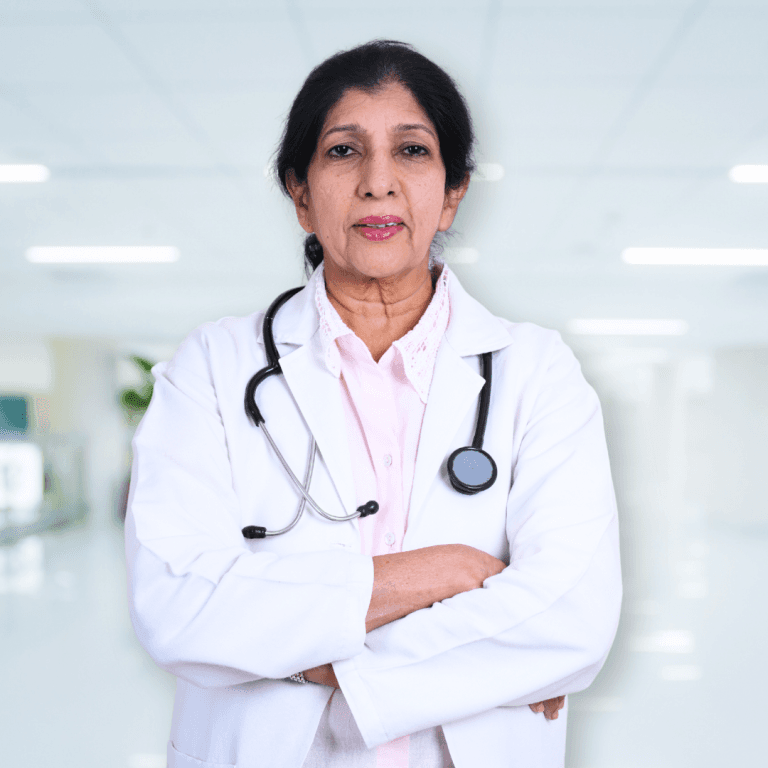
Dr Farzana M Ahmed
Visiting Consultant Obstetrician & GynaecologistMBBS, MD (OBG)10 years of experienceView profile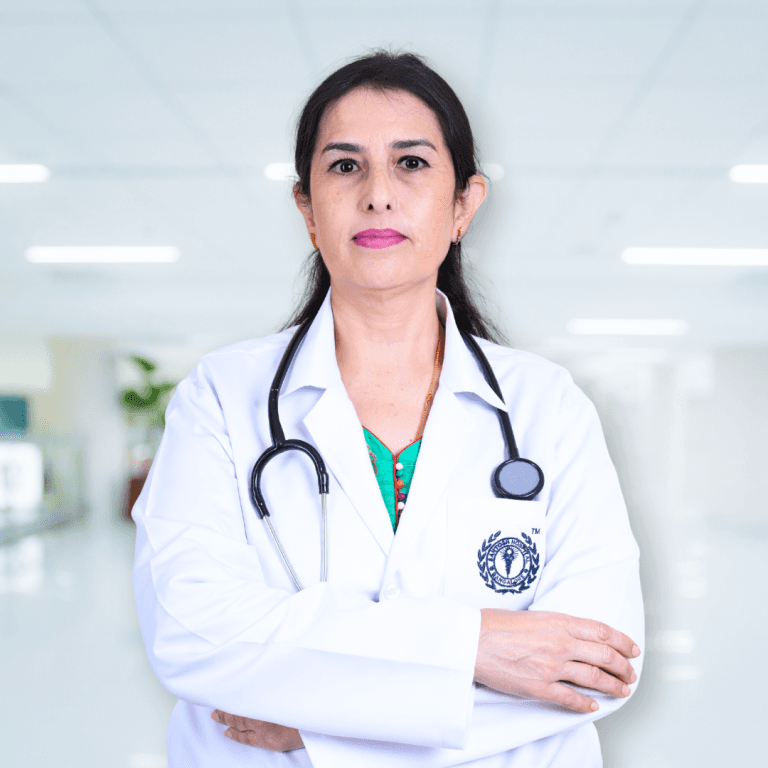
Dr Taniya Khanum
Consultant GynaecologistMBBS, DNB (OBG), Fellowship MIS12 years of experienceView profile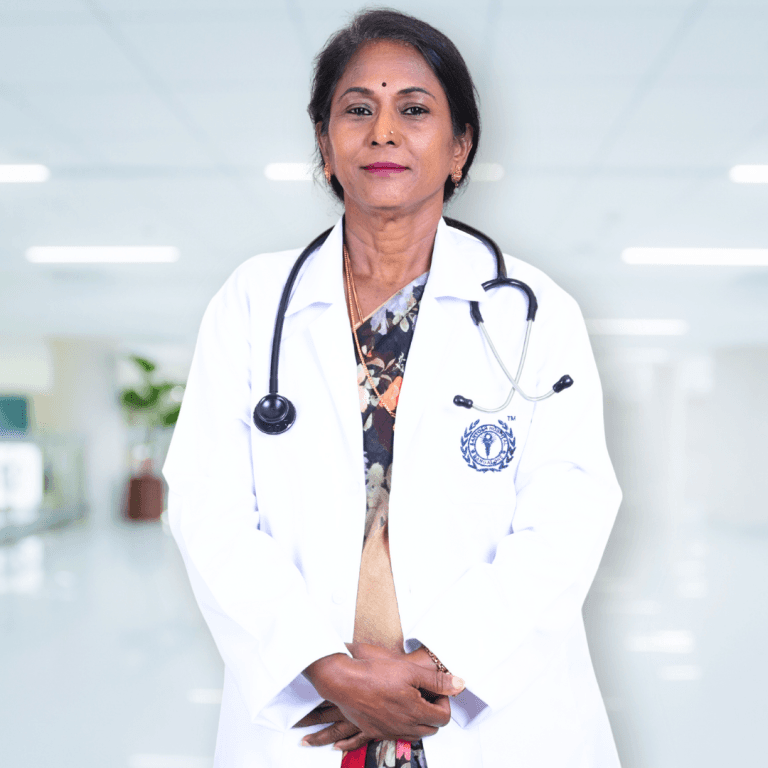
Dr Thejavathi G V
Consultant GynaecologistMBBS, MD, DGO15 years of experienceView profile
Appointments
Book with Gynaecology
The next screen lets you choose a date, a time, and which of the 4 consultants in this department you would like to see.
Elsewhere in the hospital